10 Reasons to Use Incense and 2 Surprising Benefits You May Not Know

A single stick of incense can change a room faster than almost anything else. Light it, wait a few seconds, and the space feels softer, warmer, and more intentional.
That is part of the appeal. Incense is simple. It asks for very little, yet it can support rest, focus, ritual, and atmosphere in a way that feels both ancient and practical. People use it while meditating, reading, stretching, praying, cleaning, journalling, or winding down after a long day.
Still, incense works best when it is used with care. Scent is personal, smoke affects air quality, and not every blend suits every home. The key is to choose good incense, burn it mindfully, and treat it as a small practice rather than background clutter.
Here are 10 reasons to use incense, plus 2 surprising benefits many people overlook.
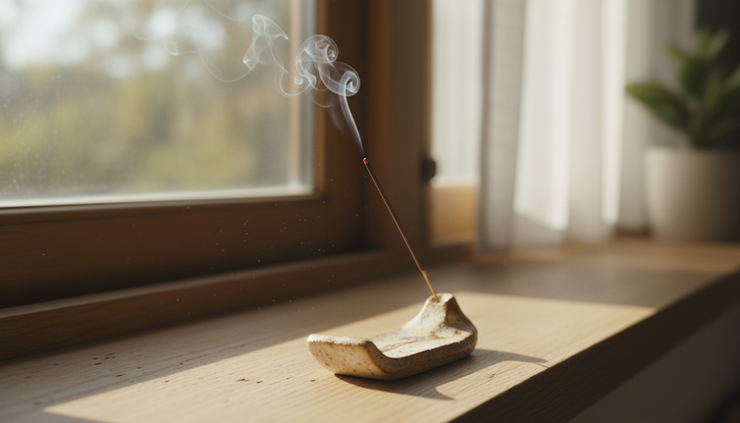
Incense can help shape the mood of a space
1. It creates a calm atmosphere
Scent has a fast route to memory and emotion. That is why a familiar smell can bring back a place, a person, or a season almost instantly.
Incense uses that connection in a gentle way. A soft sandalwood, cedar, lavender, or frankincense scent can make a room feel calmer before anything else changes. The lighting may be the same. The furniture may be the same. Still, the space feels different.
This is one of the most common reasons people burn incense at home. It helps create a clear signal that the day is slowing down. Even a short burn can make an evening routine feel more peaceful.
Try this with:
Reading before bed
A bath or shower routine
Gentle stretching
Quiet tea after dinner
Screen-free time
Choose lighter scents if the room is small. Heavy incense can quickly become too much.
2. It supports meditation and breathwork
Incense has a long history in meditation, prayer, and spiritual practice. It gives the mind a steady point of focus. Watching the smoke rise can help settle restless thoughts. Following the scent can make a practice feel grounded.
This does not mean incense does the work for you. It simply helps mark the moment.
A short ritual can be enough:
Open a window slightly.
Light the incense.
Let the flame catch, then gently blow it out.
Sit comfortably.
Breathe slowly while the scent fills the space.
For meditation, pick incense that feels clean and steady rather than sweet or distracting. Many people like sandalwood, agarwood, frankincense, or Japanese-style incense with a softer smoke profile.
3. It makes routines feel more intentional
Daily life can blur together. Incense helps draw a line around a moment.
Lighting incense before journalling, cleaning, praying, or doing yoga turns an ordinary action into a small ritual. This matters because rituals give the brain cues. They say, now we begin.
That cue can be useful when starting habits. If the same scent appears each time you sit down to write, stretch, or reflect, your mind begins to connect the scent with the practice.
This is not magic. It is association. The more often the pattern repeats, the stronger it can feel.
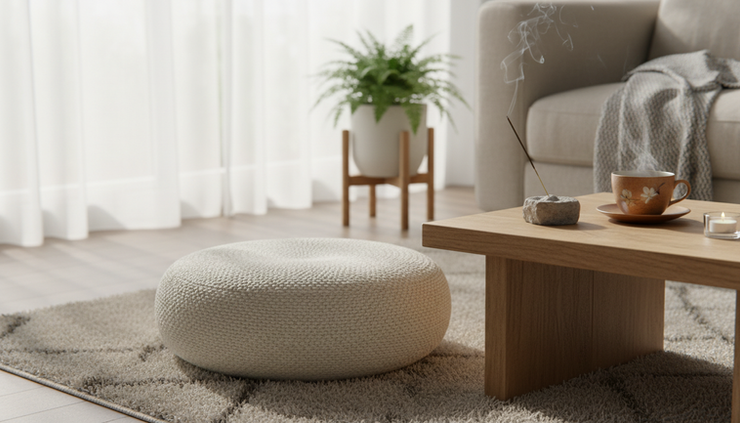
Incense can improve focus, transitions, and everyday rituals
4. It helps signal a transition
Transitions are harder than they look. Moving from work mode to rest mode, from chores to sleep, or from a busy morning to focused study can feel rough.
Incense can act like a sensory bookmark. Light it when one part of the day ends and another begins.
For example, after work, you might open a window, tidy one surface, and burn incense for 10 minutes. That small sequence tells your body that the workday is done. This can be especially helpful in homes where the same room serves many purposes.
Use incense to mark transitions such as:
Morning to work or study
Work to personal time
Cleaning to relaxing
Movement to meditation
Dinner to evening quiet
Keep the burn short. Long burns are not always better. Sometimes a few minutes gives all the signal you need.
5. It supports focus during quiet tasks
Some scents can help build a focused setting. Incense will not replace sleep, planning, or a quiet phone, but it can make a task feel more contained.
This works well for activities that ask for calm attention:
Reading
Sketching
Studying
Writing
Knitting or handcrafts
Sorting papers or personal items
Wood-based scents often suit focus because they feel grounded. Cedar, pine, sandalwood, and vetiver can be less distracting than sugary or perfume-like scents.
A helpful approach is to use one focus scent only for focused tasks. Over time, the scent becomes linked to that state of attention.
6. It adds warmth without visual clutter
Home fragrance can be complicated. Candles need open flame awareness, diffusers need water or electricity, sprays can feel harsh, and some plug-ins are too strong.
Incense is simple and low-commitment. One stick, cone, coil, or piece of resin can scent a room without adding much visual clutter. It suits small apartments, reading corners, bathrooms, entryways, and quiet bedrooms.
It also brings a visual element. The slow curl of smoke adds movement and softness. For many people, this is part of the pleasure.
Burn incense on a stable, heat-safe holder. Keep it away from curtains, books, bedding, plants, and anything that can catch ash. Never leave it burning unattended.
Incense can support scent, memory, and personal meaning
7. It connects scent with memory
A scent can become part of a personal story. Maybe it reminds someone of a grandparent’s home, a temple visit, a favourite shop, a yoga studio, or a winter evening.
Incense can help create new memories too. Burn the same gentle scent during a peaceful Sunday routine, and that scent may begin to carry the feeling of that time.
This is one reason incense makes meaningful gifts. The best choices feel personal, not flashy. A soft cedar for someone who loves forests. A floral Japanese incense for someone who enjoys delicate scents. A resin-style frankincense for someone who likes traditional blends.
When choosing incense for memory and mood, avoid buying only by name. If possible, smell it first. Two products labelled “sandalwood” can smell very different depending on ingredients and quality.
8. It can make cleaning feel complete
A clean room does not always feel finished. Incense can add that final sensory layer after a reset.
After tidying, open a window and burn a light incense for a few minutes. The room can feel fresh, settled, and cared for. This works better than using incense to cover unwanted odours.
That distinction matters. Incense should not be used to mask mould, smoke damage, pet accidents, garbage, or poor ventilation. Deal with the source first. Then use scent as a finishing touch.
Good post-cleaning scents include:
Citrus blends
Hinoki or cypress
Green tea
Light lavender
Soft cedar
A lighter profile tends to feel cleaner than a dense, sweet one.
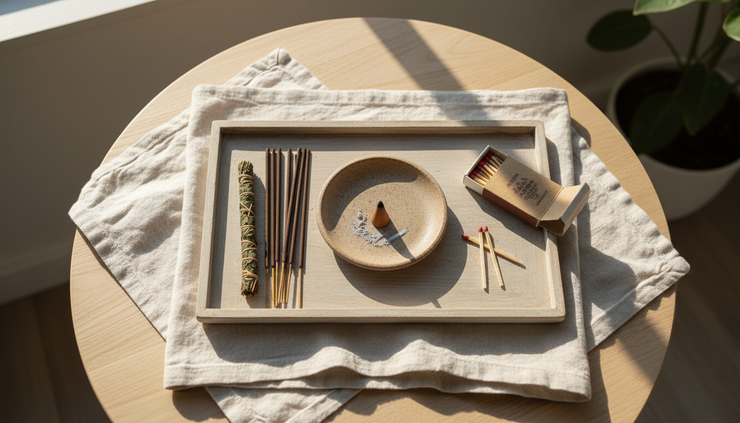
9. It encourages slower moments
Incense burns at its own pace. It cannot be rushed, scrolled, or clicked ahead. That makes it a useful tool for slowing down.
Lighting incense creates a small pause. You strike a match. You wait for the tip to glow. You watch the flame disappear. You place it carefully. The whole process takes less than a minute, but it calls for attention.
That pause can be enough to shift the nervous system toward rest. Research on scent and mood suggests that pleasant aromas may support relaxation for some people, though responses vary. Incense is not a treatment for stress, anxiety, insomnia, or any health condition. Think of it as a supportive environmental cue, not a cure.
If smoke bothers you, try very short burns or no-smoke alternatives such as dried herbs in sachets, essential oil inhalers, or naturally scented wood blocks.
10. It brings beauty to seasonal living
Incense can help a home feel connected to the season.
In colder months, warm woods, resins, amber, clove, cinnamon, and pine can make a room feel cosy. In spring, soft florals and green scents feel lighter. In summer, citrus, mint, lemongrass, and airy woods can work well. In autumn, cedar, patchouli, frankincense, and spice blends suit cooler evenings.
This does not need to be elaborate. A few seasonal scents can make ordinary routines feel special.
Here is a simple way to rotate incense through the year:
Season | Incense style | Best moment |
Winter | Resin, pine, sandalwood, spice | Evening reading or bath |
Spring | Floral, green tea, light woods | Morning cleaning |
Summer | Citrus, mint, lemongrass | Early evening with windows open |
Autumn | Cedar, frankincense, patchouli | Journalling or quiet music |
Choose what feels good rather than what a label says should match the season.
Two surprising benefits you may not know
11. It can help create boundaries in shared spaces
One of the less obvious benefits of incense is how well it can mark personal space, especially in a shared home.
A scent can gently signal that a room is being used for quiet time, meditation, or rest. This can be useful when several people share one apartment or house. It creates a cue without needing a sign on the door.
For example, a person might burn a soft incense for a few minutes before a prayer practice or evening stretch. Others in the home learn that this scent means the space is quiet for a short period.
Of course, this only works with consent. Smoke and scent affect everyone nearby. Check with housemates, family members, and guests before burning incense in shared areas. This is especially true around children, older adults, pregnant people, and anyone with asthma, migraines, allergies, or scent sensitivities.
A good rule is simple: incense should make the space feel better for the people in it, not only for the person who lit it.
12. It can support mindful consumption
This benefit surprises people because incense seems like just another thing to buy. Used thoughtfully, it can do the opposite. It can encourage a slower, more careful relationship with scent.
A single stick asks you to notice quality. Is the aroma natural or sharp? Does it smell balanced? Does it burn evenly? Does it leave the room pleasant after it is gone?
That attention can make you more selective. Instead of filling a home with constant fragrance, you may start choosing fewer scents and using them at specific times.
Mindful incense use can mean:
Buying smaller amounts and finishing them before buying more
Choosing reputable makers with clear ingredient information
Avoiding overly smoky products if they irritate your throat or eyes
Burning half a stick instead of a full one
Saving strong scents for open, well-ventilated spaces
This turns incense from a habit into a practice. Less can feel better.
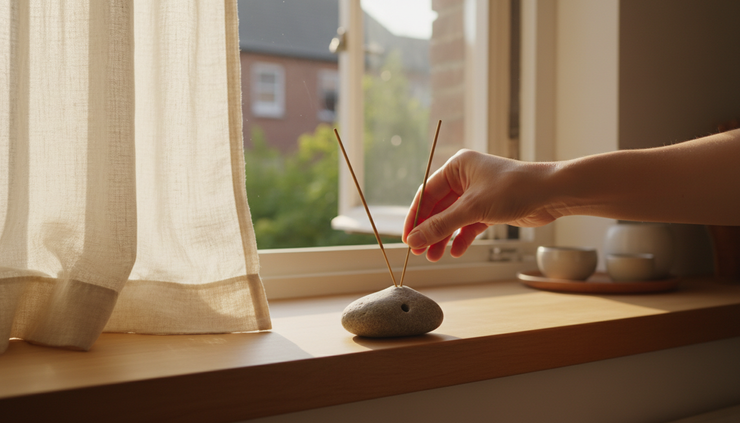
How to use incense safely and enjoy it more
The best incense experience starts with a few careful choices.
Use incense in a ventilated room. A slightly open window helps smoke move instead of lingering. Place the holder on a stable, heat-safe surface. Keep ash away from fabric, paper, pets, and plants. Put incense fully out before leaving the room.
Quality matters too. Cheap incense can smell harsh because of synthetic fragrance, heavy binders, or uneven burning. Natural does not always mean safe for everyone, but clear ingredient lists and reputable makers are a better start.
If you are new to incense, begin with lighter options:
Japanese-style incense, often lower smoke
Soft sandalwood
Cedar or hinoki
Green tea
Lavender blends
Mild frankincense
Use cones and heavy resin blends with extra care, since they can produce more smoke. If a scent causes coughing, headaches, watery eyes, or throat irritation, stop using it.
Pets also need care. Birds are especially sensitive to airborne particles and scents. Cats, dogs, and small animals can also react poorly. Avoid burning incense near pets, and ask a veterinarian if you are unsure.
The takeaway
Incense is small, but it can change how a space feels. It can soften a room, support meditation, create a ritual, mark transitions, aid focus, connect with memory, and make seasonal living feel richer. The two less obvious benefits are just as useful: incense can help create respectful boundaries in shared spaces and encourage more mindful consumption.
Start simply. Choose one gentle scent, burn it for a short time, and notice how the room feels before and after. If it adds calm without overwhelming the space, you have found the real value of incense: a quiet cue to slow down and be present.
Check out our collection of incense on-line or in person. https://mystictspiritualcentre.square.site
------------------------------------

Cathy Skidmore is the owner of Mystic T Spiritual Centre and an Intuitive Tea Leaf and Reader, Reiki practitioner, and spiritual educator. Through her work, Cathy helps individuals gain clarity, restore energetic balance, and deepen their intuitive awareness using grounded spiritual practices, workshops, and thoughtfully curated tools. Her writing blends insight, symbolism, and practical guidance to support personal growth and spiritual connection.
416-671-2708
Bookings and crystals available thru my website.
Follow me here:
Give me a google review https://g.page/r/CV2Cnd0XWLeyEBM/review
What will your cup reveal?


Comments