Tea Leaf Reading vs Tarot Reading Can You Get the Same Answers
A tea leaf reading and a tarot reading can both feel like a conversation with symbols. You ask a question, the reader studies what appears, and a story begins to form. The difference is in how that story is built.
Tarot uses a fixed set of cards with shared meanings, archetypes, and spread positions. Tea leaf reading, also called tasseography, uses the leaves left in a cup. One is more structured. The other is more fluid and image-based.
So, can you get the same information from both? Often, yes in a broad sense. Both can speak to relationships, timing, choices, emotions, blocks, and patterns. But they may not give the same style of answer, and they may not highlight the same details.
Tea leaf reading works through spontaneous symbols
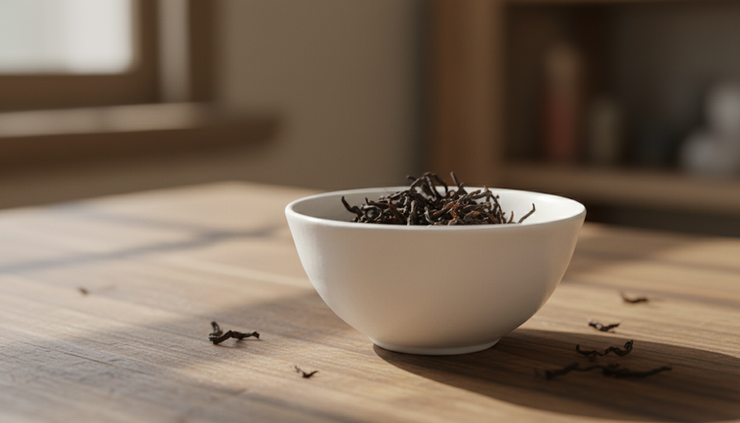
Tea leaf reading is based on what remains in the cup using loose-leaf tea. The reader turns the cup, studies the shapes, and interprets the images, patterns, and placement of the leaves.
A cluster might look like a bird, a road, a heart, a mountain, a key, or a broken line. The reader then connects that shape to the question and the person’s situation.
For example:
A bird may suggest news, communication, or movement.
A key may point to access, a solution, or something unlocking.
A mountain may suggest a challenge, delay, or effort.
A ring may relate to commitment, agreement, or cycles.
A path may show a choice, journey, or change in direction.
Tea leaf reading is not built from a fixed deck or a set number of symbols. There are traditional meanings, but the reading often depends heavily on the reader’s intuition and the specific shapes that appear.
The cup also matters. Some readers divide it into areas, such as past, present, and future. Others read from the handle outward, using distance from the handle to suggest how close an event may be to the person asking.
This makes tea leaf reading feel very personal. No two cups look the same. The answer emerges from a pattern that exists only in that moment.
Tarot reading works through a structured symbolic system
Tarot uses a deck, most often 78 cards. The deck includes the Major Arcana, which covers larger life themes, and the Minor Arcana, which deals with daily experiences, emotions, conflict, work, choices, and relationships.
A tarot reader shuffles the deck, lays cards in a spread, and reads each card based on:
The card’s traditional meaning
The image on the card
Whether reversals are used
The card’s position in the spread
How the cards connect to each other
The question being asked
If someone asks about a relationship and receives The Lovers, Two of Cups, and Eight of Swords, the reader may see attraction and emotional connection, but also mental blocks or a fear of making a choice.
Tarot is more structured than tea leaf reading because the reader always works with the same set of cards. The images change only by deck style, not by the random formation of shapes in a cup.
That structure can make tarot easier to use for specific questions. A spread can separate the answer into clear parts, such as what is known, what is hidden, what helps, what blocks, and what may happen next.
The biggest difference is structure
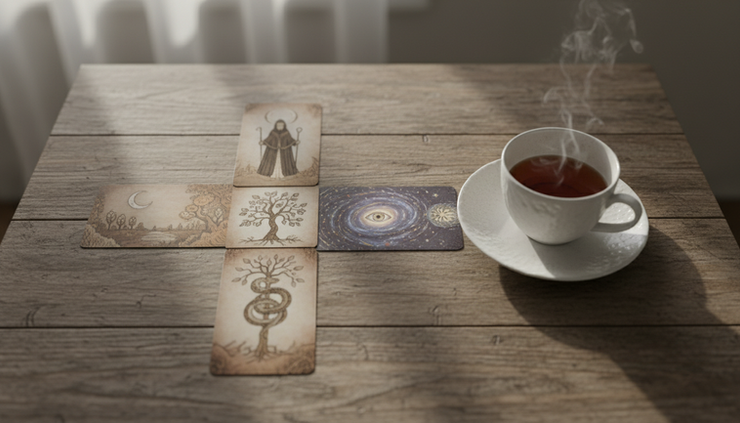
The simplest way to compare the two is this: tarot starts with a known system, while tea leaf reading starts with an open image.
Tarot has named cards. Each card has layers of meaning that readers study over time. Tea leaves form shapes that must be noticed first, then interpreted.
Tea leaf reading | Tarot reading |
Uses loose tea leaves in a cup | Uses a deck of tarot cards |
Highly visual and spontaneous | Structured around fixed card meanings |
The reader interprets shapes and placement | The reader interprets cards and spread positions |
Often feels poetic and impressionistic | Often feels organized and layered |
Strong for moods, signs, symbols, and subtle patterns | Strong for choices, dynamics, and clear question layouts |
Neither method is better in every situation. They simply speak in different languages.
Tea leaves are like looking at clouds and seeing a shape that means something in context. Tarot is like opening a symbolic book to specific pages. Both can be intuitive, but tarot gives the reader a more defined framework.
The answer style feels different
If you ask both methods the same question, the result may point in the same direction, but it will rarely sound identical.
Say the question is, “What should I know about my career over the next few months?”
A tea leaf reading might show:
A ladder shape near the rim
A small cluster that looks like a bird
A split path near the side of the cup
The reader might say there is a chance to move up, communication is involved, and a decision may be coming soon.
A tarot reading might show:
Eight of Pentacles
Page of Swords
Two of Wands
The reader might say skill-building, learning, communication, and planning are central themes. There may be an opportunity, but it requires focus and a choice about direction.
Those readings are not the same word for word, but they overlap. Both suggest growth, messages, and a decision.
This is where the question in the title matters. Tea Leaf Reading vs Tarot Reading Can You Get the Same Answers is not really about whether one method can copy the other. It is about whether both can reach similar insight. In many cases, they can.
Tea leaf reading is often better for atmosphere and omens
Tea leaf readings can be especially good when the question is open-ended.
For example:
“What energy surrounds me right now?”
“What signs should I pay attention to?”
“What is forming in my life?”
“What does the near future feel like?”
“What message wants to come through?”
The strength of tea leaf reading is its mood. A cup can feel gentle, dreamlike, and symbolic. It may show small signs that a rigid spread might miss.
If the leaves form a crescent moon, a gate, and a small animal shape, the reader may focus on intuition, transition, and instinct. The answer may feel less like a direct instruction and more like a message to sit with.
Tea leaf reading also has a ritual quality. The act of drinking the tea slows the moment down. The cup becomes part of the reading. For many people, that makes the experience feel personal and grounded.
Tarot is often better for direct questions and layered choices
Tarot tends to shine when a question has moving parts.
For example:
“What is blocking this situation?”
“What do I need to understand about this connection?”
“What are my options?”
“What happens if I choose one path over another?”
“What lesson is this experience teaching me?”
Because tarot spreads can assign positions, the reading can answer each part separately. A three-card spread might show past, present, and future. A five-card spread might show the situation, challenge, advice, hidden factor, and likely outcome.
This makes tarot useful when someone wants a clear map of a situation.
Tarot can also show inner conflict well. Cards such as the Moon, Seven of Cups, Two of Swords, or Devil often point to confusion, avoidance, temptation, fear, or attachment. A tea leaf reading can show these themes too, but tarot names them more directly through its card system.

Can both answer love, career, and future questions?
Yes, both methods can explore common reading topics. The difference is how they approach them.
Love and relationships
A tea leaf reading might show a heart, two figures, a bridge, or a broken line. The reader may discuss emotional distance, reconnection, attraction, or a turning point.
A tarot reading might use cards such as Two of Cups, The Lovers, Three of Swords, Four of Wands, or Queen of Cups. The reader can speak more directly about emotional exchange, commitment, pain, stability, or care.
Both can point to relationship themes. Tarot may be clearer on dynamics between people. Tea leaves may be stronger at showing the emotional tone around the connection.
Career and money
A tea leaf reading might show a ladder, coins, a tree, a box, or a road. These may suggest growth, work, stored potential, opportunity, or movement.
A tarot reading might bring up Pentacles cards, The Emperor, Justice, or The Chariot. These can speak to effort, structure, contracts, control, ambition, and progress.
Both can explore work and money. For financial choices, treat any reading as reflection rather than advice. Practical decisions still need practical information.
The future
Both methods can look at possible outcomes, but the future is not fixed in a simple way. Readings often show patterns, likely developments, and choices that may shape what happens next.
Tea leaves may hint at timing through placement in the cup. Tarot may suggest timing through suits, numbers, or spread positions, depending on the reader’s style.
A good reader will usually frame future messages as possibilities, not guarantees.
Can you ask the exact same question in both readings?
You can. In fact, asking the same question can be interesting because it shows how each method responds.
A good question for both might be:
“What do I need to understand about this situation right now?”
That question leaves enough room for symbols, but it is still focused.
Questions that work well for both include:
“What is the main energy around this choice?”
“What is hidden from my view?”
“What should I pay attention to next?”
“What pattern keeps repeating?”
“What support is available to me?”
Very narrow questions can be harder for tea leaves. For example, “Will I receive an email on Tuesday?” may not suit the symbolic nature of the cup. Tarot may handle narrow questions a bit better, but even tarot works best when the question allows for context.
Instead of asking, “Will this happen?” try asking, “What is influencing whether this happens?” That gives either method more to work with.
Why the readings might not match
Sometimes tea leaves and tarot give different messages. That does not always mean one is wrong.
They may be focusing on different layers of the same issue.
Tea leaves might pick up on the emotional atmosphere, while tarot points to the practical decision. Tea leaves might show a warning sign, while tarot shows the lesson behind it. Tarot might focus on the person asking, while the cup highlights an outside influence.
The reader also matters. Two tarot readers may read the same cards differently. Two tea leaf readers may see different shapes in the same cup. Both methods rely on interpretation.
There is also the question of timing. A reading reflects the moment it is done. If your mood, decision, or situation changes, the reading may shift too.
Which one should you choose?
Choose tea leaf reading if you want something symbolic, gentle, and intuitive. It suits open questions, personal reflection, and messages that feel more like signs than instructions.
Choose tarot if you want more structure, detail, and direct comparison between options. It suits specific questions, complex situations, and readings where you want the answer broken into parts.
Choose tea leaf reading when | Choose tarot reading when |
You want a softer, more atmospheric reading | You want a structured answer |
You enjoy signs, symbols, and images | You like cards, spreads, and clear positions |
Your question is open-ended | Your question has several parts |
You want the reading to feel ritual-based | You want to compare choices or influences |
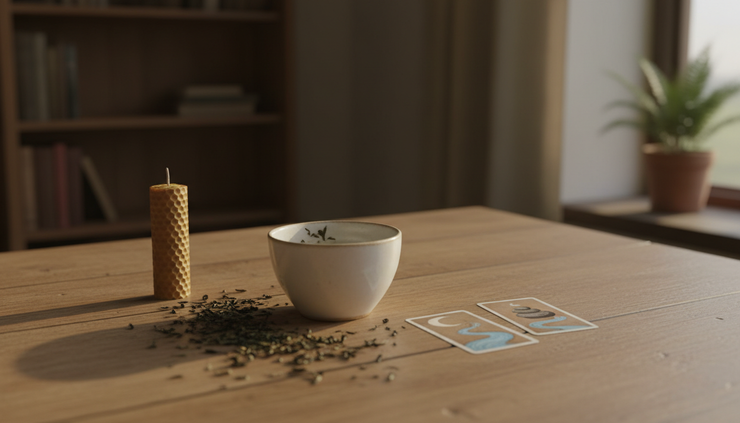
You can also use both together. Some readers begin with tea leaves to sense the larger mood, then use tarot to clarify the details. Others pull one tarot card after a tea leaf reading as a final message.
Used together, they can balance each other well. The cup shows the picture. The cards add language.
The real difference is how the message arrives
Tea leaf reading and tarot reading can explore many of the same questions, but they do not work the same way. Tea leaves speak through chance shapes, placement, and visual intuition. Tarot speaks through a structured set of cards, archetypes, and spread positions.
Can you get the same answers from both? You can often get the same themes, such as change, delay, love, opportunity, confusion, or growth. But the details may arrive differently.
Tea leaf reading may say, “A door is forming, but the path bends first.” Tarot may say, “The Two of Wands and Eight of Pentacles suggest planning, patience, and skill before the next step.”
Same direction, different language.
If you are choosing between them, start with the kind of answer you want. Pick tea leaves for atmosphere, omens, and a personal ritual. Pick tarot for structure, choices, and layered insight. If both call to you, there is no need to choose forever. A cup and a deck can easily sit on the same table.
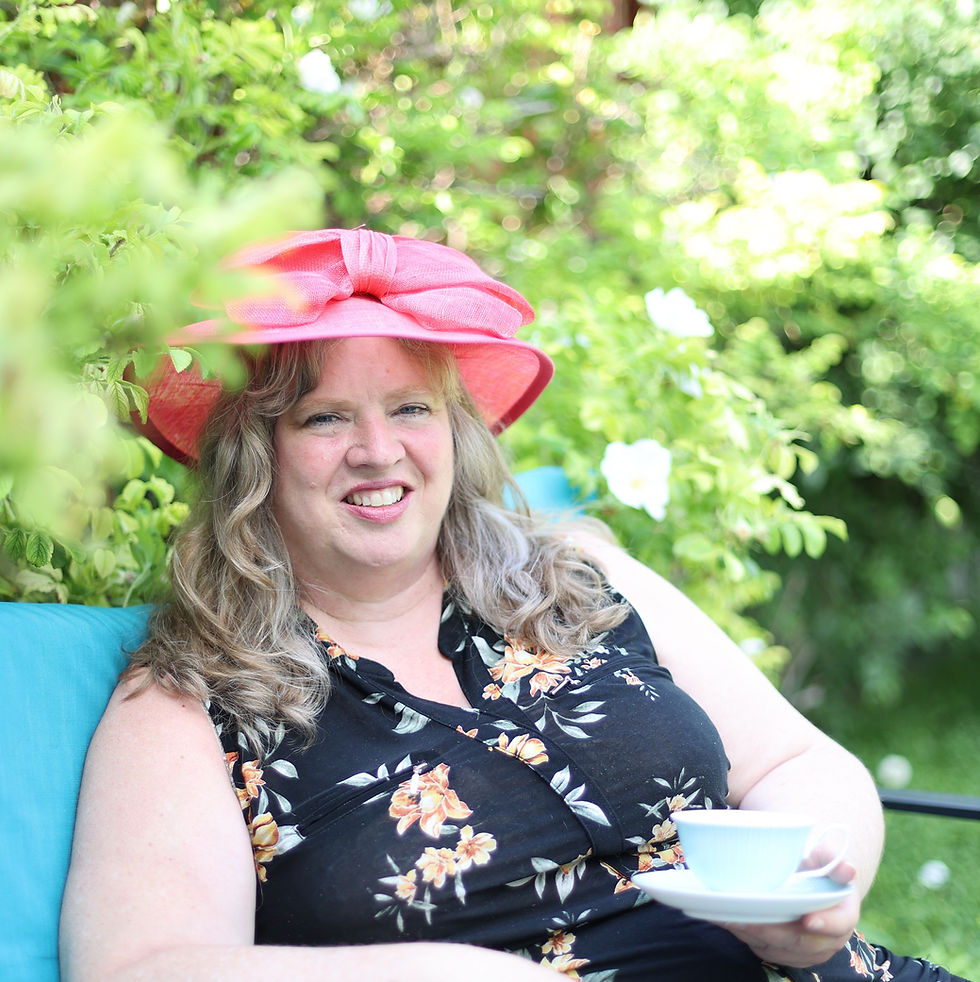
Cathy Skidmore is the owner of Mystic T Spiritual Centre and an Intuitive Tea Leaf and Reader, Reiki practitioner, and spiritual educator. Through her work, Cathy helps individuals gain clarity, restore energetic balance, and deepen their intuitive awareness using grounded spiritual practices, workshops, and thoughtfully curated tools. Her writing blends insight, symbolism, and practical guidance to support personal growth and spiritual connection.
416-671-2708
Bookings and crystals available thru my website.
Follow me here:
Give me a google review https://g.page/r/CV2Cnd0XWLeyEBM/review
What will your cup reveal?

Comments